 WORLD NEWS VIEW
Greta Gerwig reveals Narnia: The Magician’s Nephew first look, with 2027 theater and Netflix dates
A 13 October IMAX first look previews Gerwig’s Narnia origin story. The confirmed theatrical and streaming dates, cast and what remains unknown.
Published 14 October 2026 (IST); underlying reporting: 13 October 2026: first-look trailer event.
A new look at Narnia, and a different kind of Netflix premiere
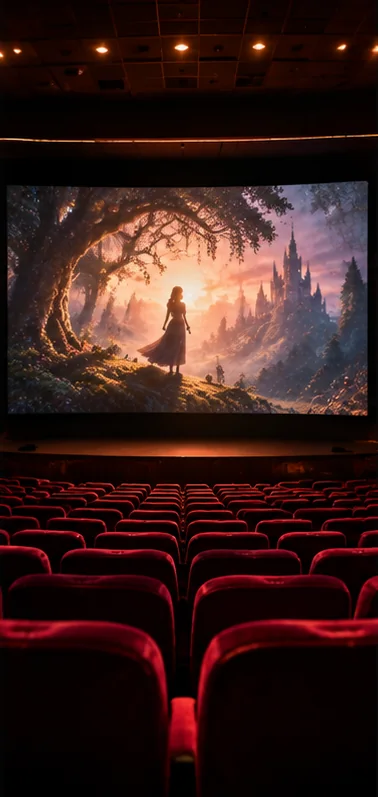
Greta Gerwig presented a first look at her film Narnia: The Magician's Nephew in New York on 13 October 2026, offering audiences a glimpse of how the familiar fantasy world could return to screens. The new preview was shown in an IMAX setting and discussed in reporting by the Associated Press. The film is planned for cinemas on 12 February 2027 and for Netflix on 2 April 2027, according to Netflix's own information. Those dates concern the forthcoming film, not an October release. The reveal matters for two reasons: audiences are seeing an adaptation that starts with Narnia's beginnings rather than simply repeating the first story many viewers remember, and Netflix is positioning an expensive fantasy adventure as a theatrical event before its streaming debut. This is not a box-office report; no tickets have yet been sold for the eventual opening weekend.
What The Magician's Nephew is about
C. S. Lewis wrote a series of connected fantasy novels that became known collectively as The Chronicles of Narnia. The Magician's Nephew explores how the enchanted world began and why certain characters and ideas appear in later stories. It was published after some of the more famous books but takes place earlier in the fictional chronology. That distinction explains the interest in using it to introduce a new screen series. Readers who first encountered Narnia through The Lion, the Witch and the Wardrobe should not assume the new movie simply retells that same plot. The central framing is an origin adventure that follows young characters exploring unfamiliar worlds and encountering choices whose consequences are larger than they first realise. The film may change details as any adaptation does; the books remain the primary reference for the literary version.
The creative challenge for Greta Gerwig
Gerwig's earlier work made her known to different audiences through intimate character stories and large-scale popular filmmaking. A fantasy based on beloved literature poses another challenge: it must make a strange world visually convincing while preserving the emotional logic of a children's adventure. An expensive computer-generated landscape alone cannot explain why audiences should care about the children entering it. The early publicity has stressed a sense of wonder and the creation of Narnia, but the final balance of humour, melancholy, symbolism and spectacle will only be clear when the movie is screened. Describing the preview as proof of a masterpiece would be premature. A trailer is selected promotional material. Reviewers will eventually need to judge the full film, including pacing, performances and whether the adaptation stands on its own for people who have never read Lewis.
Why the 13 October presentation was news
The New York event brought together a new trailer and commentary about the production in a format designed for a large cinema screen. The Associated Press reported that Gerwig discussed the film and its ambitions during the launch. A first look differs from a leaked image or a speculative casting post because it is an intentionally released part of the marketing campaign. Even so, a first look tells viewers about visual direction, not final reception or commercial results. Theaters, streaming platforms and audiences can react differently once a project is widely available. The IMAX setting underlined the planned scale, while the eventual home-streaming date offers a different viewing environment. That unusual combination makes the presentation significant beyond the ordinary unveiling of fantasy footage.
The confirmed release calendar
Netflix's Tudum announcement lists sneak previews in IMAX beginning 10 February 2027, followed by an IMAX and general theatrical opening on 12 February and a Netflix release on 2 April. Dates are plans that may change, so readers should check the distributor's current schedule before buying travel or making bookings. The distinction between a sneak preview and the general release also matters: early screenings may be limited by venue, city or availability. A Netflix date does not necessarily imply identical release arrangements in every territory, language or membership plan. Consumers should verify local catalogues and cinemas closer to the event. Articles claiming the film is already streaming in October 2026 are inaccurate. Likewise, a promotional event in 2026 does not establish that there is a public review embargo date or that box-office projections are confirmed.
The cast and what viewers can verify
Netflix has named newcomers David McKenna and Beatrice Campbell in leading youthful roles and has listed performers including Emma Mackey, Carey Mulligan, Kobna Holdbrook-Smith, Daniel Craig and Meryl Streep. Reports about how individual actors appear in the story should be tied to released production information, rather than fan theories. An announcement of a cast member does not automatically reveal the size of the role or whether a scene survives the final cut. The press coverage has described Meryl Streep's involvement as the voice of Aslan, while other publicity has connected Craig to the film's eccentric magician figure. These details are part of the reported production rather than a reason to invent unseen scenes. Viewers interested in performances can look for full trailers, interviews and verified credits in the months before release.
How the trailer uses music and atmosphere
Entertainment reporting noted the use of Led Zeppelin's Stairway to Heaven in the trailer. Combining a familiar rock recording with images from a literary fantasy invites a particular emotional response: nostalgia for older music, curiosity about a newly imagined world and a promise of theatrical grandeur. It does not mean the whole feature will use the same musical style or that the entire score has been revealed. Sound in a promotional trailer is often chosen to create a short, concentrated impression. Viewers should avoid converting a music cue into claims about the finished film's tone. The most useful question is whether imagery, editing and sound communicate the theme of discovery without obscuring what characters want. The publicity offers a direction; the full movie will determine whether that direction succeeds.
Why Netflix is taking a theatrical route
Streaming services once differentiated themselves by letting subscribers watch major releases at home. Large theatrical events can now serve different purposes: reaching fans who value big screens, creating publicity that carries into later streaming availability and giving directors room to present the work in its intended format. The Narnia plan is unusually prominent because Netflix has committed to a broader cinema window for a significant fantasy project. That choice should not be interpreted as evidence that streaming is failing or that all Netflix films will follow the same pattern. Theatrical arrangements are negotiated title by title. Cinema exhibitors and streaming companies have different incentives, and neither the film's budget nor one high-profile release settles the industry's wider debate about exclusive windows.
The business of bringing fantasy to the screen
Fantasy films often involve expensive production design, visual effects, locations, costumes and extended post-production. AP reporting described Narnia as a large-budget venture, but figures cited in entertainment coverage may refer to different accounting categories and should not be treated as audited financial statements. What audiences can reasonably infer is that Netflix expects a broad-scale international event. A high budget can create polished images, but it does not automatically guarantee audience enthusiasm or commercial success. The film's eventual cinema admissions, global streaming engagement and critical response will answer different questions. Comparing theatrical gross with a production budget alone would be an incomplete way to judge a film that also has a planned streaming release. Reporting should distinguish verified performance data from analysts' expectations and online excitement.
The legacy of earlier screen adaptations
Narnia has appeared in earlier film and television interpretations, and each generation brings its own memory of characters, creatures and the moral themes. A new adaptation may choose a different visual identity or narrative starting point without erasing earlier versions. For long-time readers, fidelity can mean preserving the themes rather than reproducing every line. For new viewers, accessibility may be more important than knowing the publication order of seven books. Starting with The Magician's Nephew offers an introduction to the fictional world's origins, but it also poses a narrative risk: an origin story must still feel like a complete adventure, not merely a setup for future instalments. People can enjoy the new film without accepting that one adaptation is the definitive version of the books.
What the reveal does not confirm
One trailer does not confirm a second film, a television spin-off, a complete release timetable for the Narnia books or the ultimate response from fans. It does not provide an authenticated running time for every version in every cinema, and it cannot tell audiences whether particular changes from Lewis will appear in the final cut. Viral clips should be checked against the publisher or distributor to avoid mistaking fan-made content for released footage. Casting details sometimes circulate as rumours before a production confirms them; these should be identified clearly. A reliable entertainment article should leave space for unknowns rather than describe plot moments that have not been shown. The difference between promotional excitement and reporting is the ability to say what remains unverified.
What happens between now and release
A film scheduled for February is likely to receive further marketing, interviews, screenings, ticketing information and location-specific availability updates. However, those steps have not all been scheduled publicly, and none should be presented as guaranteed. Readers should watch verified Netflix and cinema announcements for regional theatrical details. Families may also want to know age classifications, dubbing and subtitle options, which often become clear closer to release. Literary fans can use the months ahead to read or reread The Magician's Nephew and compare its narrative choices after seeing the final movie. If a new trailer offers a substantial separate revelation, that development merits another dated story rather than quietly changing this record of the 13 October event.
Frequently asked questions
Is Narnia already on Netflix in October 2026?
No. The upcoming Gerwig film has a planned Netflix date of 2 April 2027. Older adaptations are separate titles with territory-specific availability.
When is the theatrical opening?
Netflix lists 12 February 2027, with selected IMAX previews planned from 10 February. Local screening options should be checked later.
Is this a remake of The Lion, the Witch and the Wardrobe?
No. The announced adaptation uses The Magician's Nephew, a book about Narnia's origins.
Did the 13 October preview reveal the final movie?
No. It was a promotional first look. Critical reception and the finished narrative cannot be established from a trailer.
Is every casting rumour confirmed?
No. Use Netflix's released casting details and verifiable interviews rather than social-media speculation.
Does the Netflix release mean cinemas are unnecessary?
Not for this project: its distribution plan includes a substantial theatrical phase before streaming.
Sources and transparency
The following reports establish the underlying event. Background explanation is original WNV analysis; source statements and independent findings are distinguished.