 WORLD NEWS VIEW
Saudi Aramco attack: Houthi threats put oil facilities and Saudi airports on alert
A strike at Aramco’s Dhahran headquarters was followed by Houthi threats against Saudi sites. Here is what is confirmed and what remains uncertain.
Published 15 October 2026 (IST); reporting and source material checked through 14 October 2026.
The Dhahran strike
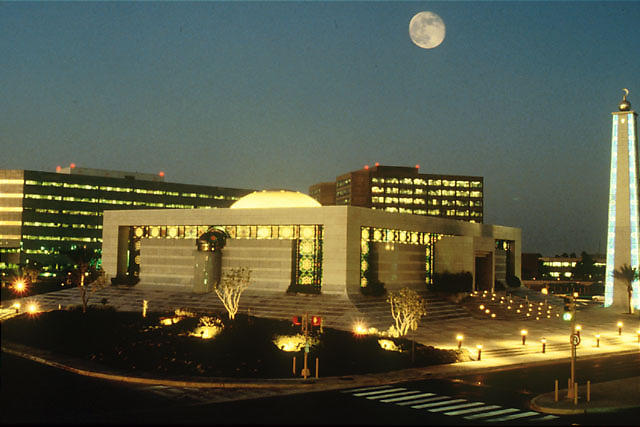
The headquarters of Saudi oil giant Aramco in Dhahran was attacked on 13 October, with reporting describing a limited fire at the site. That finding establishes an incident at a prominent corporate location, not the destruction of Saudi oil production. The extent of any operational disruption requires separate confirmation from the company or energy authorities. Reports of the strike became particularly important because traders and shipping companies are already watching a wider conflict across the Gulf.
Threats the next day
On 14 October Yemen’s Houthi movement said it had targeted Aramco facilities in Dhahran, Riyadh airport and a refinery in Riyadh using missiles and drones. Those statements are claims made by the group and should not be treated as independent verification that each claimed target was struck. Reuters also reported a Saudi-led coalition interception of a ballistic missile aimed at the capital. The evolving picture contains both confirmed security responses and assertions by parties to the conflict.
Why markets care
Saudi Arabia is a major producer and exporter of crude oil. Even a limited incident at a high-profile installation can increase insurance, logistics and security concerns if further attacks remain possible. But an immediate claim that global supplies have collapsed would be misleading without verified outages. Energy prices also respond to shipping risks in nearby waters and to decisions by governments and producers, so the consequences cannot be assigned to a single attack.
What is still unknown
The most consequential unanswered questions concern independent damage assessments, sustained interruptions to refining or shipping and whether additional launches occur. Houthi threats are newsworthy because they signal stated intentions; they are not a timetable of future attacks. Readers should look for dated statements from Saudi authorities, Aramco, aviation regulators and independent reporting before drawing conclusions about casualties or capacity.
Sources and documentation
This report is based on the following publicly available documents and reporting. Claims have been attributed where independent verification is incomplete.
Frequently asked questions
Was all Saudi oil output shut down?
No verified blanket shutdown was established in the reports used here.
Did the Houthis claim responsibility?
The group said it had attacked several Saudi targets; individual strike outcomes need separate verification.
Where is Aramco’s headquarters?
In Dhahran, in Saudi Arabia’s Eastern Province.
Was the Riyadh missile threat reported separately?
Yes. Reuters described an interception claim concerning the capital on October 14.
Why is the strike relevant outside Saudi Arabia?
Risk to energy facilities can affect shipping, insurance and market expectations even without proven supply loss.